Special use, conditional use, and variance are three of the most commonly confused terms in zoning. Filing for the wrong one can cost months.
The special use vs variance question usually comes down to one distinction. Is the issue what the property will be used for, or how the building fits on the lot? Conditional use adds a naming wrinkle, because different municipalities use different words for the same concept.
Here is how each type of relief works in Chicago and in nearby suburbs, and how to tell which one a project needs.
What Is a Special Use Permit?
The Chicago Zoning Ordinance describes special uses as uses that need “case-by-case review” to confirm they fit with surrounding uses (Section 17-13-0901).
In plain English: the use is allowed in the district, but only after a public hearing confirms it works at that specific location. Common business examples in Chicago include drive-through facilities, hair and nail salons in certain districts, daycare centers, and non-accessory parking lots.
How the Chicago process works:
- Decision-maker: The Zoning Board of Appeals (ZBA) has final authority. Approval requires 3 concurring votes (Section 17-13-0907).
- Approval criteria: Under Section 17-13-0905, the use must comply with the ordinance, serve the public convenience without significant adverse impact, fit the area in scale and design, fit the area in operating characteristics like hours, lighting, noise, and traffic, and promote pedestrian safety.
- Notice: Property owners within 250 feet and the Alderman of the Ward receive written notice (Section 17-13-0107-A).
- Conditions: The ZBA can attach conditions on design, location, and operation.
- Lapse: Approval expires after 12 months unless a building permit application is filed and pursued or the use begins.
For a step-by-step walkthrough, see our guide on how to get a special use permit in Illinois.
Is a Conditional Use Different From a Special Use?
In most cases, no. “Conditional use” and “special use” describe the same idea: a use allowed only after case-by-case review. The label depends on the local code.
Examples across the Chicago area:
- Chicago: Uses the term “special use.” The Zoning Ordinance does not use “conditional use.”
- Evanston: Also uses “special use” in its district regulations.
- Naperville: Uses “conditional use.” The Planning and Zoning Commission holds the hearing and makes a recommendation, and the City Council decides, under the standards in Section 6-3-8 of the Naperville Municipal Code.
- Unincorporated Lake County: Uses “conditional use permit” under Section 151.050 of the Unified Development Ordinance. Depending on the use, the Zoning Board of Appeals or the County Board makes the final decision.
The practical takeaway: the vocabulary changes at the municipal boundary, but the analysis does not. Who decides, and how many hearings are required, is what actually varies.
What Is a Variance?
A variance (Chicago calls it a “variation”) relaxes a dimensional or numerical standard. It does not change what the property may be used for.
In Chicago, the ZBA may grant only the types of variations listed in Section 17-13-1101.
Examples include:
- Reducing a required setback
- Reducing required parking or loading by one space or 20 percent, whichever is greater, in most cases
- Increasing the maximum gross floor area of a commercial or industrial establishment by up to 10 percent
- Increasing the gross area of a sign by up to 20 percent
To approve a variation, the ZBA must find that strict compliance would create practical difficulties or particular hardships, and that the variation is consistent with the purpose of the ordinance. The applicant must also show that the property cannot yield a reasonable return under current rules, that the problem comes from unique circumstances, and that the variation will not alter the essential character of the neighborhood. The City’s variation findings form walks through each standard.
Hardship is the hardest part to prove. Our article on how to prove hardship covers what the ZBA looks for.
Special Use vs Variance: Which One Applies?
A quick way to sort the question:
- The use is listed as “special” in the district. A special use (or conditional use) is needed.
- The use is permitted, but the building does not meet a setback, parking, or size standard. A variance is needed.
- The use needs both. Both are filed together. A drive-through restaurant that also needs a parking reduction is a common example.
- The use is not listed in the district at all. Neither tool solves it. The path is usually a zoning map amendment or a planned development.
Some minor dimensional relief in Chicago does not need a hearing. The Zoning Administrator can grant certain administrative adjustments, such as limited setback reductions, after written notice to abutting owners.
How Aldermen Influence Special Uses and Variations in Chicago
On paper, the ZBA decides special uses and variations. In practice, the Ward Alderman’s position carries real weight. The Alderman receives formal notice of special use applications, and community input often runs through the Ward office.
Aldermanic prerogative is an informal practice, not a rule in the Zoning Ordinance. Still, early outreach to the Alderman and to neighborhood groups is one of the most useful steps an applicant can take. Rezonings and planned developments go to the City Council directly, where that influence is even stronger.
How Suburban Processes Differ
Suburban processes vary more by community than by terminology:
- Number of hearings: Many suburbs require a recommending body, such as a Plan Commission or Zoning Board of Appeals, followed by a vote of the Village Board or City Council. Naperville’s conditional use process follows this two-step model.
- Final authority: In unincorporated Lake County, the County Board has delegated final decisions on some conditional uses to the ZBA and kept others for itself.
- Local standards: Each code sets its own approval criteria, notice rules, and timelines.
Checking the local code before filing, rather than relying on the term used in another town, prevents avoidable delays.
Choosing the Right Zoning Relief for a Chicago Area Property
The special use vs variance decision starts with the use table. If the use requires review, it is a special use or conditional use. If the use is allowed but the building does not fit the standards, it is a variance. If both apply, both get filed. If neither applies, a rezoning is likely the answer.
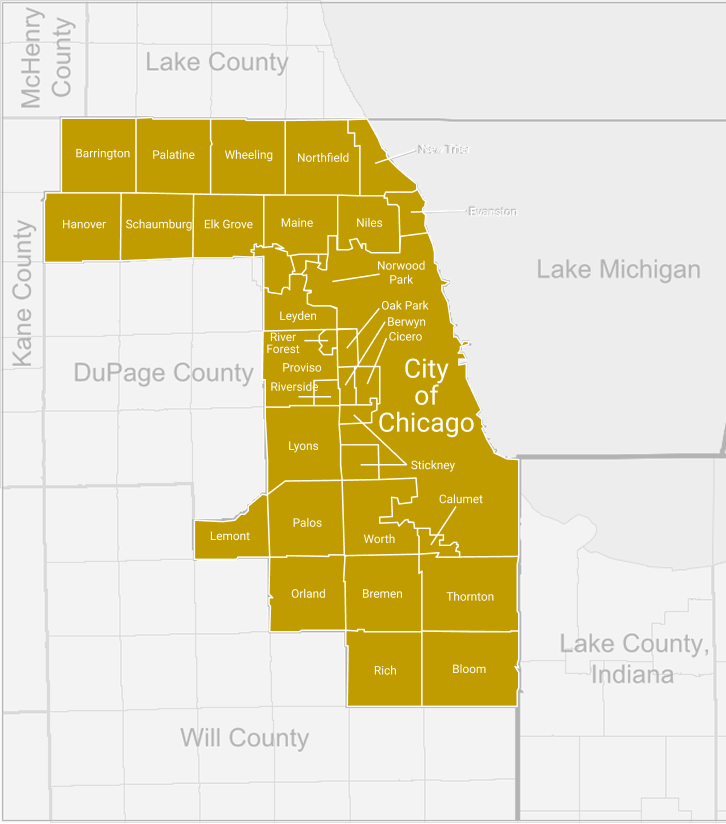
We handle zoning problems in Chicago and across Cook, Lake, and DuPage County. To confirm which approval a property needs, talk with our zoning attorneys.
This article provides general information and is not legal advice. Reading it does not create an attorney-client relationship.
Author Bio

Katarina Karac
Katarina is a Chicagoland zoning attorney with a deep understanding of how planning staff and local officials approach land use decisions, thanks to her prior work representing public development agencies. She now uses that experience to help private clients move projects through the approval process with focus and efficiency.
She has guided residential, commercial, mixed-use, and industrial developments from concept to approval, appearing before boards, commissions, and neighborhood groups. Known for her clear communication and high success rate, Katarina also regularly presents on zoning and land use at legal seminars and CLEs.


Legal Team


Speed